It can blindside you. You are eating the way you always have and moving the way you always have, yet your waistband is suddenly tighter and the weight has settled, stubbornly, around your middle. If you are over 50, this is not a willpower problem and it is not in your head. Your biology genuinely changed — and once you understand why, the solution becomes far less mysterious.
Figure 1: Belly fat after 50 is driven by hormones and aging — not just calories.
Why Belly Fat Shows Up After 50
Women gain an average of about 1.5 pounds per year through their 50s, much of it as stubborn belly fat. The drivers are hormonal and metabolic, not moral.
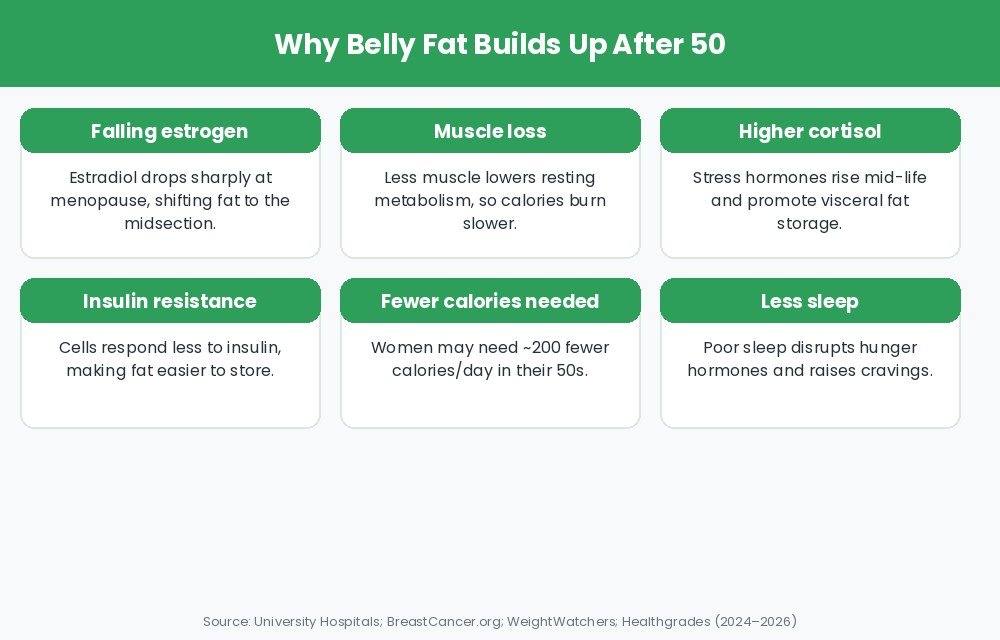
Figure 2: The main reasons fat migrates to the midsection after 50.
- Falling estrogen. Before menopause, estradiol can reach around 300 pg/mL; afterward it drops below 10 pg/mL. That collapse shifts fat storage from the hips and thighs to the abdomen.
- Muscle loss. We lose muscle steadily with age, and muscle is metabolically expensive. Less of it means a lower resting metabolism.
- Rising cortisol. Research has found cortisol climbs during the menopause transition, and elevated cortisol promotes visceral fat storage.
- Insulin resistance. Cells respond less efficiently to insulin with age, making the body more prone to storing fat.
- Lower calorie needs. Experts estimate many women need roughly 200 fewer calories a day in their 50s than in their 30s and 40s — so the "same" diet now creates a surplus.
The Belly Fat That Actually Matters: Visceral Fat
Not all belly fat is equal. The fat just under the skin (subcutaneous) is mostly a cosmetic concern. The deeper fat — visceral fat — wraps around organs like the liver, stomach, and intestines, and it is metabolically active in harmful ways.
According to University Hospitals, menopause tends to convert subcutaneous fat into visceral fat, which raises the risk of cardiovascular disease, diabetes, and certain cancers. The encouraging flip side: visceral fat is also the fat that responds first when you start making changes. As one perimenopause health resource notes, losing even 5 to 10 percent of your body weight can significantly cut visceral fat and improve your health markers.
| Type of Fat | Where It Sits | Why It Matters |
|---|---|---|
| Subcutaneous | Just under the skin; the fat you can pinch. | Mostly cosmetic; less metabolically harmful. |
| Visceral | Deep in the abdomen, around the organs. | Linked to heart disease, diabetes, and inflammation — but responds first to lifestyle change. |
What Actually Works (No Crash Dieting Required)
First, the myth-buster: you cannot spot-reduce. A thousand crunches will strengthen the muscle under the fat but won't melt the fat on top of it. What works is lowering overall body fat through strategies suited to a 50-plus body. Crash diets backfire here because they burn precious muscle — the very thing keeping your metabolism alive.
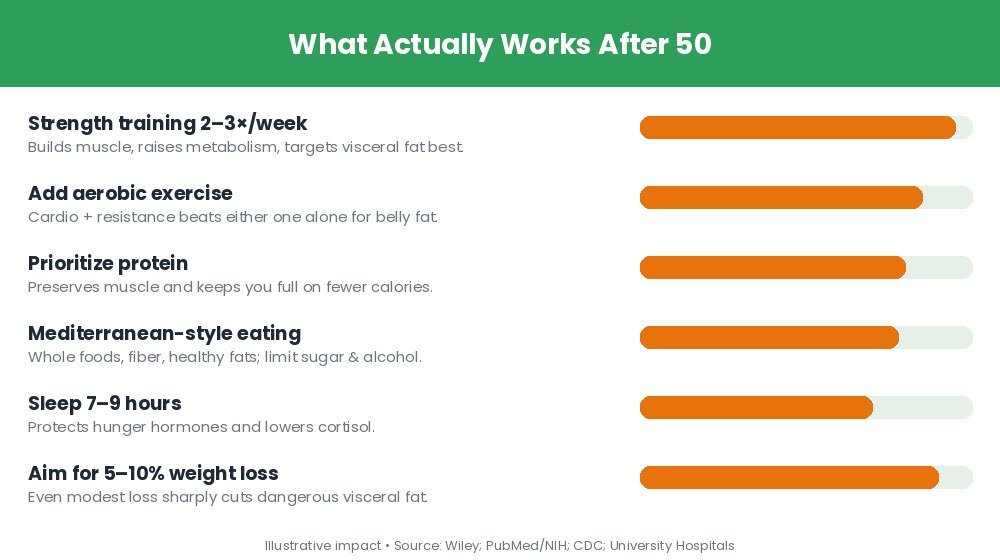
Figure 3: The strategies with the strongest evidence for the 50-plus midsection.
1. Make Strength Training Non-Negotiable
This is the single highest-leverage change. Building muscle raises your resting metabolic rate and improves insulin sensitivity, directly countering the metabolic slowdown of midlife. Research shows strength training reduces visceral belly fat more effectively than cardio alone. Aim for two to three sessions a week with weights or resistance bands.
2. Add Aerobic Exercise Too
Cardio still earns its place. Studies in peer-reviewed journals show that combining aerobic exercise with resistance training reduces visceral fat more than either type on its own. A brisk daily walk plus your strength sessions is a powerful, joint-friendly combination.
3. Prioritize Protein
Higher protein paired with a slight calorie reduction helps you build or preserve muscle while losing fat. Lean choices — chicken, turkey, fish, tofu, Greek yogurt, beans — keep you fuller on fewer calories, which matters when your daily needs have dropped.
4. Eat Mediterranean-Style
Rather than cutting whole food groups, lean into vegetables, fruit, whole grains, legumes, fish, and olive oil, while limiting refined sugar and alcohol. The CDC recommends women limit alcohol to one drink or less per day — and alcohol is closely tied to higher belly fat.
5. Protect Your Sleep and Manage Stress
Aim for 7 to 9 hours of sleep. Short sleep disrupts the hormones that regulate hunger, while chronic stress keeps cortisol high — and both push fat toward your middle. Treat sleep and stress management as part of your fat-loss plan, not extras.
Where a Supplement Like BurnSlim™ Fits In
Let's be clear: there is no magic pill for belly fat, and any honest source will tell you the foundation is diet, movement, sleep, and stress. A supplement is a supporting player, not the star.
That said, many women over 50 use a metabolic support supplement to complement those habits. BurnSlim™ is formulated with ingredients chosen to support metabolism, energy, and appetite control — including Green Tea Extract, Cayenne Pepper, L-Carnitine, Glucomannan fiber, and Chromium. Used alongside strength training and a protein-forward, Mediterranean-style diet, it is designed to help your effort go further during a stage of life when the body makes fat loss harder. Always talk with your healthcare provider before starting any supplement.
Support Your Metabolism After 50
BurnSlim™ is made to complement the habits that actually move the needle on midsection fat — strength, protein, sleep, and smart eating. See how it can support your goals.
Learn More About BurnSlim™Frequently Asked Questions
Why do I gain belly fat after 50?
Falling estrogen shifts fat storage to the midsection, while muscle loss slows metabolism, cortisol rises, and cells become more insulin resistant — so belly fat accumulates even without changes to your routine.
Can you actually lose belly fat after 50?
Yes. You can't spot-reduce, but lowering overall body fat works. Losing even 5 to 10 percent of your body weight significantly reduces visceral fat. Strength training, cardio, protein, sleep, and stress management are the core tools.
What is the best exercise to lose belly fat after 50?
Strength training two to three times a week is the standout, because muscle raises resting metabolism and cuts visceral fat more than cardio alone. Combine it with aerobic exercise for the best results.
Why is belly fat after 50 so dangerous?
Much of it is visceral fat around the organs, which is linked to heart disease, type 2 diabetes, and certain cancers — so reducing it matters well beyond appearance.
How many calories should a woman over 50 eat to lose belly fat?
There's no single number, but many women need roughly 200 fewer calories a day in their 50s. A modest deficit built from whole foods and higher protein beats severe restriction and protects muscle.
Internal Links:
Disclaimer: This article is for educational purposes only and is not medical advice. Individual results vary. BurnSlim™ is a dietary supplement and is not intended to diagnose, treat, cure, or prevent any disease. Consult your healthcare provider before changing your diet, exercise, or supplement routine, especially if you have a medical condition.
Sources: University Hospitals (menopause & visceral fat); BreastCancer.org (calorie needs & exercise); WeightWatchers (hormones & cortisol); Healthgrades / Wiley / NIH (combined exercise & visceral fat); CDC (alcohol guidance); Fortune (annual weight gain). External links open in a new tab.